

Realistic AI actors are transforming user-generated content (UGC) advertising by enabling brands to produce authentic-looking video ads without hiring human creators. These digital avatars mimic human expression and movement, allowing for scalable, cost-effective, and highly personalized marketing campaigns. By leveraging advanced generative AI, businesses can now create diverse and relatable content that resonates with audiences while maintaining brand consistency and reducing production timelines significantly.
The Evolution of Digital Avatars in Marketing
The concept of using digital humans in advertising has evolved rapidly from simple 2D animations to photorealistic 3D models. Realistic AI actors is a term used to describe synthetic humans powered by deep learning algorithms that can replicate human facial expressions, voice intonations, and body language with high fidelity. This technological leap has shifted the marketing landscape, moving away from the traditional reliance on diverse pools of human influencers and creators.
Historically, brands struggled to find creators who matched their specific demographic targets or brand voice. The emergence of AI avatars solves this by allowing marketers to customize the appearance, age, ethnicity, and style of their digital presenters. This level of control ensures that the message is delivered by a face that the target audience finds relatable, thereby increasing engagement and trust.
Why Authenticity Drives Consumer Trust
Consumers have become increasingly skeptical of polished, high-production corporate advertisements. They prefer content that feels raw, genuine, and peer-to-peer. UGC-style ads thrive on this perception of authenticity, and realistic AI actors are now capable of replicating the subtle imperfections and natural cadence of human speech that signal authenticity.
According to industry trends, video content that feels personal and unscripted performs better in social feeds. AI technology allows brands to generate scripts that sound conversational rather than salesy. By using AI video generators that understand customer behavior, marketers can create content that addresses specific pain points in a natural tone. This approach bridges the gap between corporate messaging and organic social media culture.
Scalability and Personalization at Scale
One of the most significant advantages of realistic AI actors is the ability to scale content production without a linear increase in costs. Traditional UGC campaigns require negotiating with multiple creators, managing contracts, and waiting for video delivery. In contrast, AI avatars can generate hundreds of video variations in minutes. This scalability is crucial for A/B testing different hooks, calls to action, and visual styles to find the highest-performing creative.
Personalization is another key benefit. Brands can tailor the message to different regions, languages, or customer segments by simply adjusting the AI actor's script and voice. For example, a global brand can create a single campaign concept and deploy it across multiple markets with localized avatars that speak the local language and reflect local cultural norms. This level of granularity was previously impossible without a massive budget and a global team of creators.
Addressing Ethical and Transparency Concerns
As AI actors become more realistic, questions about transparency and ethics arise. Consumers have a right to know when they are interacting with a synthetic human rather than a real person. Brands must adopt clear disclosure practices to maintain trust. This includes labeling AI-generated content and ensuring that the avatars do not mimic specific real individuals without consent.
Transparency is not just an ethical obligation; it is a strategic advantage. When brands are open about their use of AI, they demonstrate innovation and honesty. This openness can actually enhance brand perception, positioning the company as a forward-thinking leader in marketing technology. By prioritizing ethical AI use, brands can build long-term relationships with their audiences based on trust and respect.
Integrating AI Actors into Your Workflow
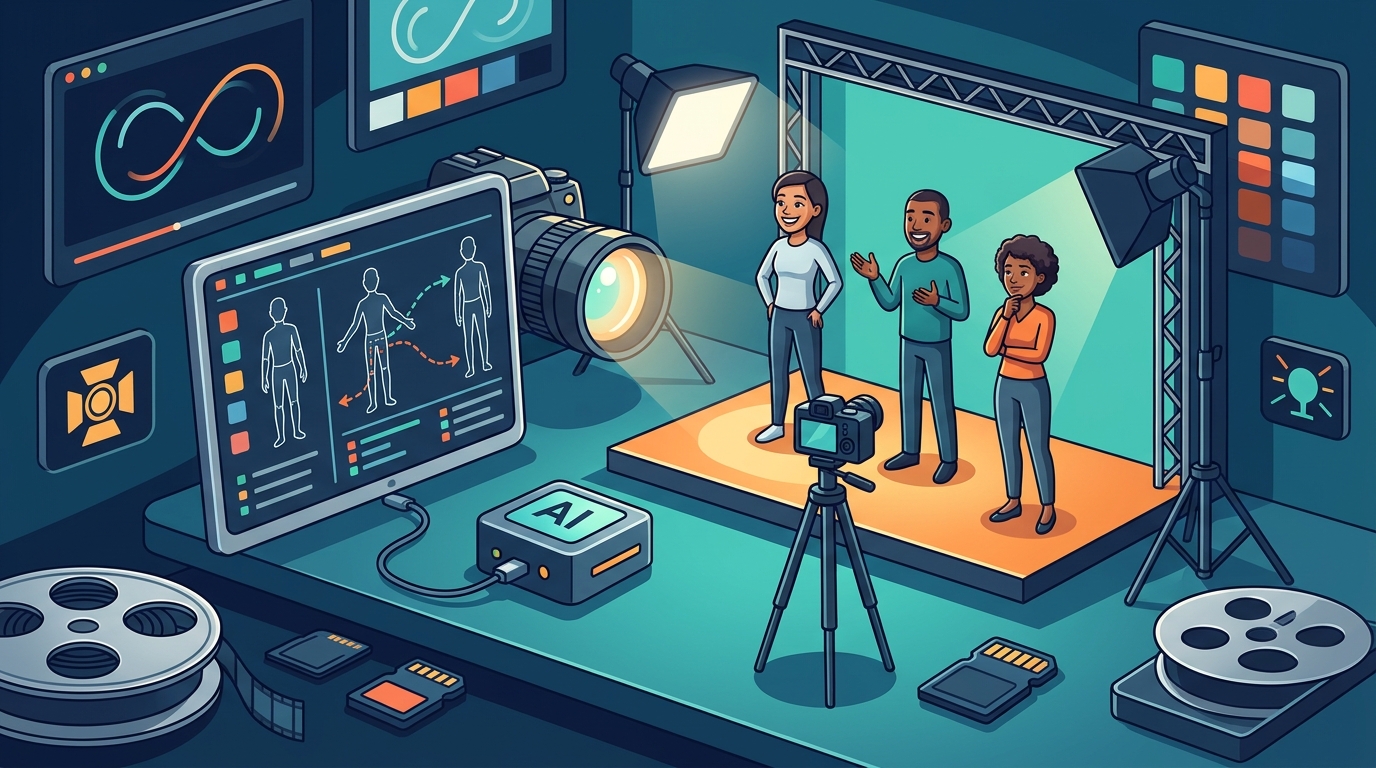
Implementing realistic AI actors into your marketing strategy requires a thoughtful approach. Start by identifying the specific goals of your campaign, such as increasing awareness, driving conversions, or educating customers. Then, select an AI platform that offers the level of customization and realism you need. It is essential to choose a tool that integrates seamlessly with your existing marketing stack and allows for easy editing and iteration.
At Promo.com, we provide tools that empower businesses to create professional video content efficiently. Our platform supports the creation of brand-ready media, allowing you to leverage AI capabilities to produce high-quality ads. By combining human creativity with AI efficiency, you can create campaigns that are both authentic and impactful. To explore how you can integrate these tools into your workflow, visit our guide on using PromoAI.
Key Takeaways
- Realistic AI actors enable brands to create authentic-looking UGC ads without the cost and complexity of hiring human creators.
- These digital avatars can be customized to match specific demographics, enhancing relatability and trust.
- Scalability allows for rapid A/B testing and personalized content across multiple markets and languages.
- Transparency and ethical disclosure are critical for maintaining consumer trust in AI-generated content.
- Integrating AI tools into your workflow can significantly reduce production times and increase creative output.
- Brands that embrace AI innovation can position themselves as leaders in modern marketing practices.
Frequently Asked Questions
What is a realistic AI actor?
A realistic AI actor is a synthetic human generated by artificial intelligence that can replicate human facial expressions, voice, and movement with high fidelity.
How do AI actors improve UGC advertising?
AI actors allow brands to create diverse, personalized, and scalable video content that mimics the authenticity of user-generated content without the logistical challenges of managing human creators.
Are AI-generated ads effective?
Yes, when used with transparency and high-quality production, AI-generated ads can perform as well as or better than traditional UGC by offering personalized and relatable messaging.
How can I ensure ethical use of AI actors?
Brands should clearly disclose when content is AI-generated and ensure that avatars do not mimic real individuals without consent, maintaining transparency with their audience.
What tools are available for creating AI actor videos?
Platforms like Promo.com offer AI-powered video creation tools that allow businesses to generate professional, brand-ready content efficiently.