%22%20stroke-width%3D%222%22%3E%3Ccircle%20stroke-opacity%3D%22.5%22%20cx%3D%2218%22%20cy%3D%2218%22%20r%3D%2218%22%2F%3E%3Cpath%20d%3D%22M36%2018c0-9.94-8.06-18-18-18%22%3E%3CanimateTransform%20attributeName%3D%22transform%22%20type%3D%22rotate%22%20from%3D%220%2018%2018%22%20to%3D%22360%2018%2018%22%20dur%3D%221s%22%20repeatCount%3D%22indefinite%22%2F%3E%3C%2Fpath%3E%3C%2Fg%3E%3C%2Fg%3E%3C%2Fsvg%3E)

Video content has become the dominant force in digital marketing, with reports indicating that online video will account for more than 82% of all consumer internet traffic by 2025. This statistic highlights a critical shift in consumer behavior, where audiences prefer visual storytelling over static text. For businesses, the challenge is no longer whether to create video, but how to produce high-quality content at scale without exhausting creative teams. The emergence of AI video makers has solved this bottleneck by automating complex production workflows. According to industry data, companies using AI-driven video tools can reduce production time by up to 50% while maintaining professional standards. This guide explores how to select the right platform to align with your specific operational needs and growth objectives.
Understanding AI Video Technology
Before diving into selection criteria, it is essential to define what these tools actually do. An AI video maker is a software platform that uses artificial intelligence to automate tasks such as script generation, voiceover synthesis, scene composition, and editing. These tools allow users to create professional videos from text prompts or existing assets. The technology relies on natural language processing to interpret user intent and computer vision to assemble visual elements. This capability transforms video production from a manual, labor-intensive process into a streamlined, automated workflow.
The core value proposition lies in speed and accessibility. Traditional video production requires specialized skills in cinematography, editing, and sound design. AI platforms democratize this process by providing pre-built templates and intelligent automation. This allows marketing teams to focus on strategy rather than technical execution. As the technology matures, the quality of generated content continues to improve, making it viable for high-stakes commercial use.
Key Evaluation Criteria
Selecting the right AI video maker requires assessing several critical factors. The best platform for one business may be entirely unsuitable for another. Consider the following dimensions when evaluating potential solutions.
Template Library and Customization
A robust template library is the foundation of any AI video tool. Look for platforms that offer industry-specific designs, such as real estate listings, fitness promotions, or e-commerce product showcases. Customization options are equally important. You need the ability to modify colors, fonts, and layouts to match your brand identity. If a platform locks you into rigid templates, it will hinder your brand consistency.
AI Capabilities and Automation
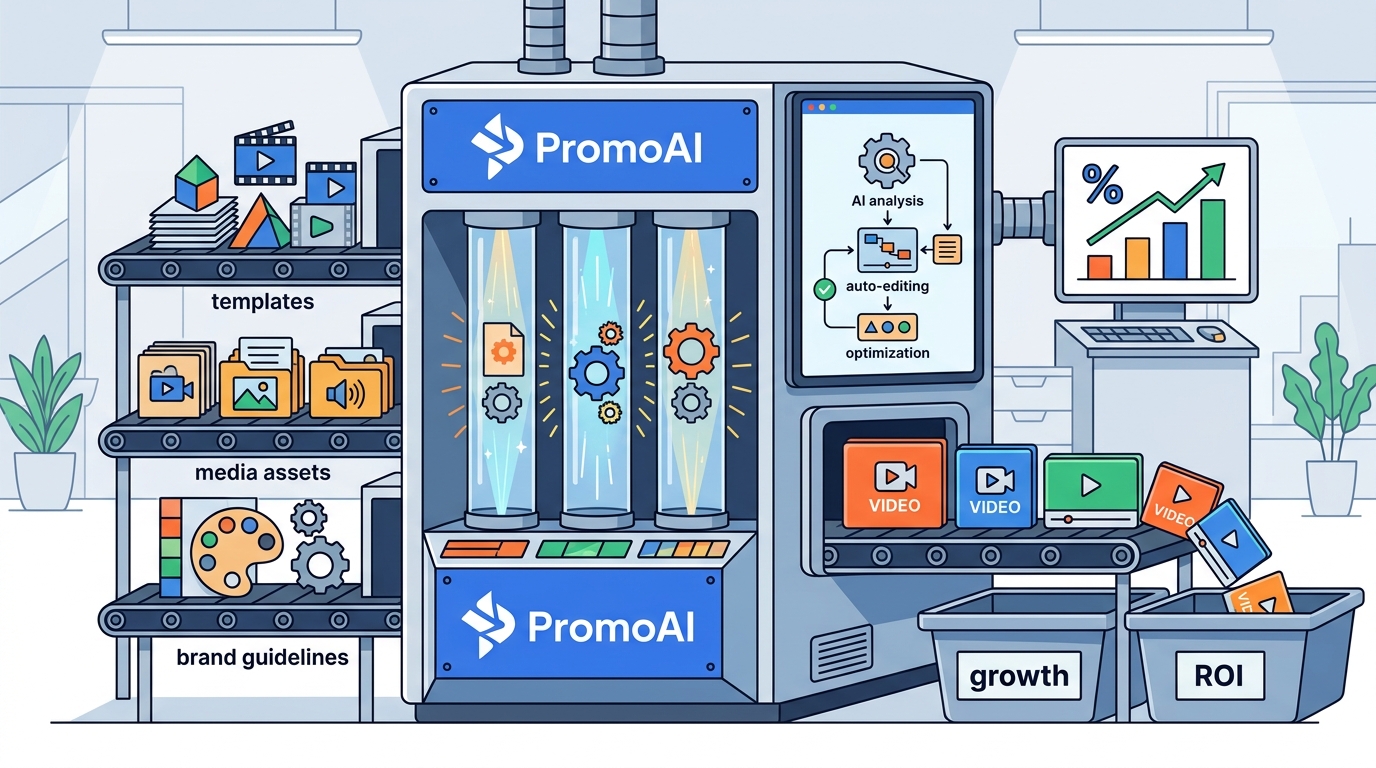
Not all AI features are created equal. Evaluate the depth of the AI engine. Does it offer text-to-video generation? Can it automatically generate subtitles? Does it include a smart editor that suggests cuts and transitions? Advanced platforms like PromoAI act as a creative co-pilot, offering intelligent suggestions that enhance the final output. The goal is to find a tool that augments your creativity rather than replacing it entirely.
Export Quality and Formats
Video quality is non-negotiable. Ensure the platform supports high-definition exports, typically 1080p or 4K. Additionally, check for format flexibility. You may need vertical videos for Instagram Stories, square formats for Facebook, and horizontal versions for YouTube. A versatile tool allows you to repurpose content across multiple channels without manual reformatting.
Platform Comparison
Understanding the landscape of available tools helps in making a comparative decision. Below is a summary of key considerations for different types of video makers.
| Feature | AI-Powered Generators | Traditional Online Editors | Specialized Ad Makers |
|---|---|---|---|
| Speed of Creation | Very Fast | Slow | Fast |
| Customization Depth | Moderate | High | Low to Moderate |
| Best For | Scale and Volume | Unique Branding | Performance Ads |
| Learning Curve | Low | High | Low |
Platforms like Promo.com excel in the AI-powered and specialized categories, offering a balance of speed and professional design. They are particularly effective for businesses that need to produce large volumes of content for social media and advertising campaigns. In contrast, traditional editors offer more granular control but require significant time investment.
Industry-Specific Applications
Different industries have unique video requirements. Choosing a platform that understands your sector can provide a significant advantage.
Real Estate
Real estate agents need to showcase properties quickly. AI video makers can transform property photos into engaging video tours with music and text overlays. This is crucial for capturing attention on social media platforms. The ability to add location tags and contact information directly into the video streamlines the lead generation process.
E-commerce and Retail
For e-commerce businesses, product videos drive conversions. AI tools can automatically generate product showcases from catalog images. These videos can be optimized for Amazon, Facebook, and Instagram. The key is consistency and speed. You need to launch ads quickly in response to market trends. Marketing blogs often highlight the impact of video ads on sales metrics.
Health and Fitness
Fitness professionals rely on motivational content. AI video makers can create daily workout videos, motivational quotes, and progress updates. The visual appeal of these videos is critical for engagement. Platforms that offer trending templates and music libraries are particularly useful for this niche.
Integration and Workflow
Video creation does not happen in a vacuum. It must integrate with your broader marketing workflow. Consider how the tool fits into your content calendar. Does it offer scheduling features? Can you collaborate with team members? A seamless workflow reduces friction and ensures consistent output.
Many modern platforms provide a dashboard for managing drafts and published videos. This centralization is vital for tracking performance and maintaining brand guidelines. Look for tools that offer a user-friendly dashboard to streamline your operations. Additionally, check for API access if you need to integrate video assets into your website or CRM.
Key Takeaways
- Video content is projected to dominate internet traffic, making AI video tools essential for scalability.
- Evaluate platforms based on template variety, AI automation depth, and export flexibility.
- AI video makers can reduce production time by up to 50% while maintaining professional quality.
- Industry-specific templates provide a significant advantage in real estate, e-commerce, and fitness.
- Integration with social media calendars and ad platforms is crucial for effective distribution.
- Choose a platform that offers both generative AI capabilities and robust editing tools.
- Consistent branding across all video assets is maintained through customizable templates.
Frequently Asked Questions
What is the best AI video maker for small businesses?
The best AI video maker for small businesses is one that offers affordable pricing, easy-to-use templates, and strong automation features. Platforms like Promo.com are designed to be accessible for teams of all sizes.
Can AI video makers replace professional editors?
AI video makers can handle routine content creation, but they do not fully replace professional editors for complex, high-production-value projects. They are best used to augment human creativity and increase output volume.
How do I ensure brand consistency with AI videos?
Use the brand kit features available in most AI video platforms. These allow you to save your logos, color palettes, and fonts, ensuring that every generated video aligns with your brand identity.
What formats do AI video makers support?
Most AI video makers support MP4, MOV, and GIF formats. They also allow you to export videos in various aspect ratios, including 16:9, 9:16, and 1:1, for different social media platforms.
Is it difficult to learn AI video tools?
No, AI video tools are designed to be intuitive. They typically feature drag-and-drop interfaces and guided workflows that require minimal technical expertise.
How much does it cost to use an AI video maker?
Pricing varies by platform. Many offer free tiers with limited features, while paid plans range from $15 to $100 per month depending on the level of automation and export quality required.
Can I use AI video makers for advertising?
Yes, AI video makers are highly effective for creating ad creatives. They allow for rapid iteration and testing of different video hooks and calls to action.
Start Creating Today
Choosing the right AI video maker is a strategic decision that impacts your marketing efficiency and brand presence. By evaluating your specific needs, industry requirements, and workflow integration, you can select a tool that empowers your team to produce high-quality content at scale. The future of video marketing is automated, intelligent, and accessible. Start your journey today by exploring the capabilities of Promo.com and transforming your video strategy.