
The Science of the Uncanny Valley
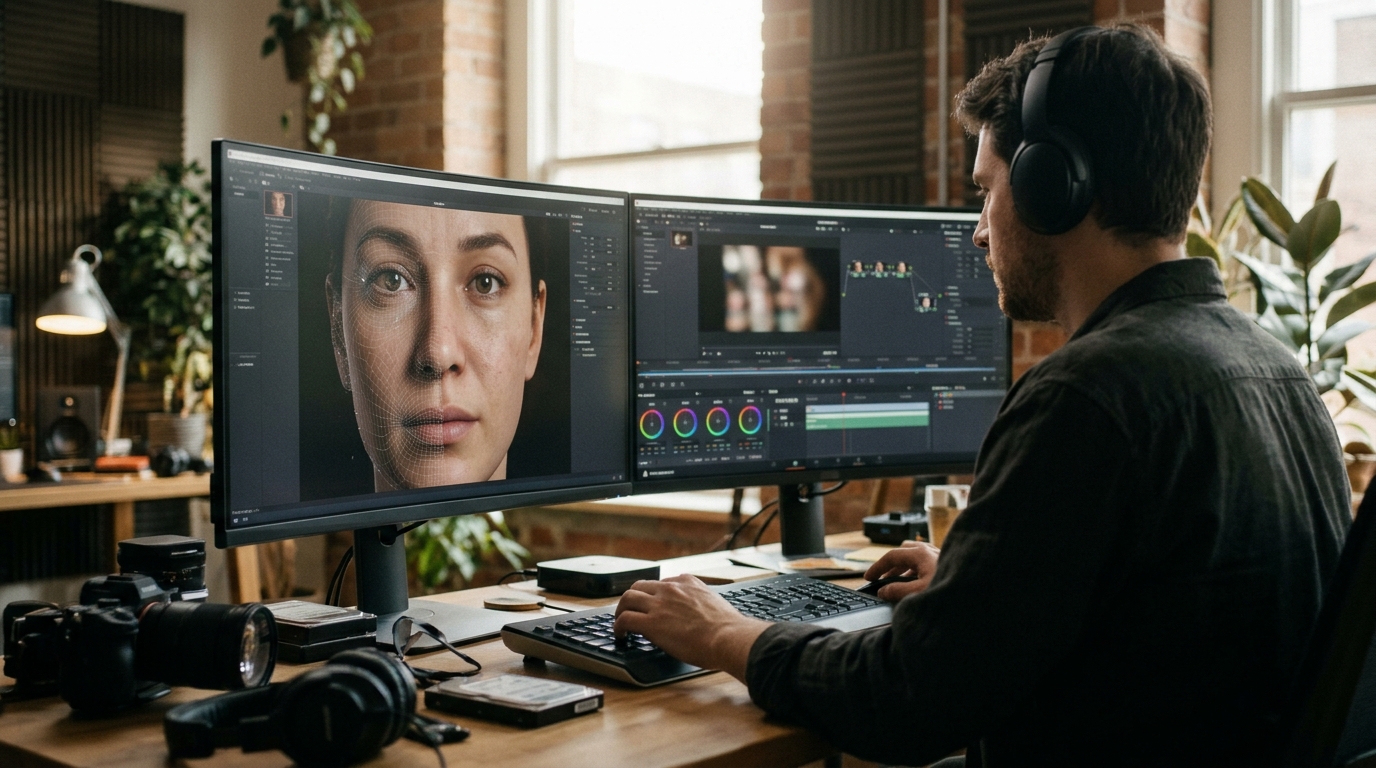
The uncanny valley is a concept in robotics and computer graphics that describes the negative human response to objects that look almost, but not exactly, like real humans. In the context of digital marketing, this phenomenon is the primary reason why early AI-generated faces felt cold or disturbing to viewers. When an avatar’s skin texture is too smooth or its eyes do not blink at a natural frequency, the brain registers a mismatch. This mismatch triggers a subconscious rejection of the message, reducing engagement and trust in the brand.
Modern AI models have improved significantly, but the gap between photorealism and actual human behavior remains. A key factor is the lack of micro-expressions. Real humans constantly shift their gaze, raise their eyebrows, and adjust their mouth shape in ways that are subtle and context-dependent. If an AI avatar maintains a fixed gaze or repeats the same facial loop, it breaks the illusion of life. Understanding this psychological barrier is the first step in creating convincing digital actors.
Lighting and Environmental Integration
Lighting is a critical component of realism that is often overlooked in AI video generation. If the light source on the avatar’s face does not match the shadows and highlights in the background, the viewer perceives the subject as a cutout rather than a person in a space. This visual dissonance is a major contributor to the fake appearance of AI ads. Consistent color temperature and shadow direction are essential for grounding the avatar in its environment.
For example, if an avatar is placed in a bright, sunny outdoor scene but the face is lit with cool, indoor studio lighting, the result looks artificial. Businesses should ensure that the lighting parameters of the generated avatar align with the scene’s ambient conditions. Promo.com’s platform allows users to create brand-ready media where lighting and composition are carefully managed to ensure the final output feels cohesive and professional.
Lip-Sync and Audio-Visual Synchronization
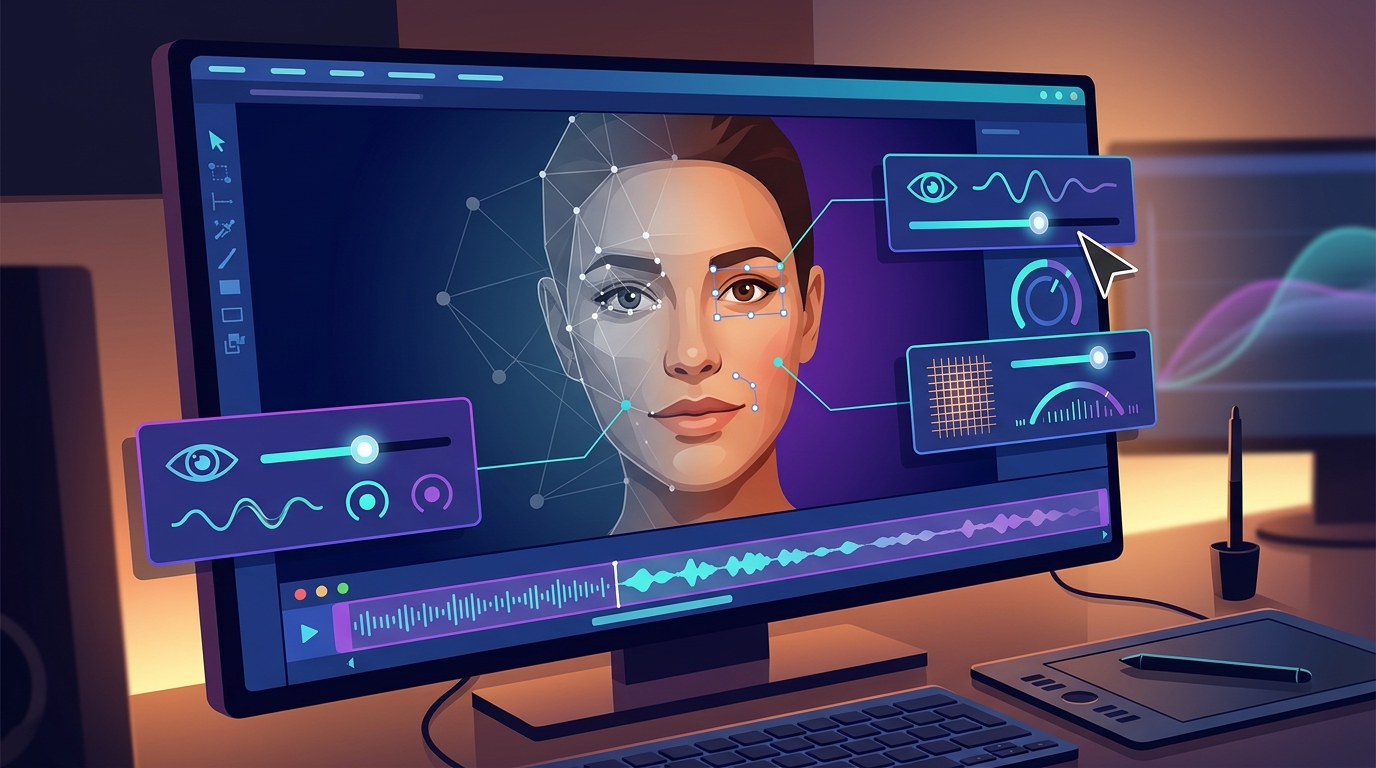
Lip-sync is the most immediate indicator of AI authenticity. When the mouth movements do not perfectly match the phonemes of the spoken audio, the viewer’s attention is immediately drawn to the flaw. This is known as the audio-visual mismatch. Even a delay of a few milliseconds can make the avatar appear robotic. High-quality AI video tools now use advanced algorithms to map audio waveforms to specific facial muscle movements, ensuring that every word is articulated naturally.
Furthermore, the quality of the voice itself plays a role. A synthetic voice that lacks natural breath, pitch variation, or emotional inflection can make the visual avatar feel less real. The combination of a natural-sounding voice and precise lip movements creates a feedback loop of realism. When the audio feels human, the viewer is more likely to accept the visual representation as human. This synchronization is a core feature of modern AI video makers designed for business use.
Motion and Micro-Expressions
Static poses are a dead giveaway for AI-generated content. Real humans are in constant motion, even when standing still. They shift their weight, move their hands, and adjust their posture. An AI avatar that remains perfectly rigid for the duration of a video will feel like a mannequin. To combat this, creators should incorporate subtle body movements and hand gestures that align with the spoken content. These micro-movements add a layer of dynamism that mimics human behavior.
Leveraging Promo.com for Realistic Avatars
Promo.com provides a robust ecosystem for creating AI videos that prioritize realism and brand consistency. The platform offers access to a library of AI avatars and tools that allow businesses to generate professional content without the need for expensive production crews. By using Promo.com, marketers can focus on the message and the brand story, while the platform handles the technical aspects of rendering and synchronization. This approach ensures that the final video meets high standards of quality and authenticity.
The integration of AI editing and brand-ready media in Promo.com allows for a seamless workflow. Users can select avatars that fit their brand’s tone and customize the output to match their visual identity. This level of control helps in maintaining a consistent look across all marketing channels. Whether for social media ads or promotional videos, the goal is to create content that resonates with the audience on a human level. Promo.com supports this by providing the tools necessary to bridge the gap between digital generation and human perception.
Key Takeaways
- The uncanny valley is caused by subtle mismatches in facial features, motion, and lighting that trigger subconscious rejection.
- Lighting consistency between the avatar and the background is essential for grounding the subject in the scene.
- Precise lip-sync and natural audio inflection are critical for convincing the viewer that the avatar is speaking.
- Incorporating micro-expressions, blinks, and subtle body movements adds the dynamism required for realism.
- Static poses and fixed gazes are common indicators of low-quality AI generation that reduce viewer trust.
- Using specialized platforms like Promo.com helps manage these technical details to produce professional, brand-ready videos.
Frequently Asked Questions
Why do AI avatars sometimes look creepy?
How important is lighting in AI video realism?
Lighting is crucial because it grounds the avatar in the environment. If the light source on the face does not match the background shadows, the avatar appears as a cutout, breaking the illusion of reality.
Can lip-sync be improved in AI videos?
Yes, modern AI tools use advanced algorithms to map audio to facial movements. Precise lip-sync ensures that mouth movements match the spoken words, which is a key factor in perceived realism.
What role do micro-expressions play in avatar realism?
Micro-expressions, such as blinks, eyebrow raises, and subtle head tilts, add natural dynamism to an avatar. Without these, the avatar appears static and robotic, reducing viewer engagement.
How can businesses ensure their AI ads look professional?
Businesses should use platforms that offer high-quality rendering and brand-ready media. Tools like Promo.com allow for customization and consistency, ensuring that the final output meets professional standards.
Is the uncanny valley a permanent issue in AI video?
While AI technology is improving rapidly, the uncanny valley remains a challenge. However, by focusing on natural motion, lighting, and audio, creators can significantly reduce the effect and create convincing digital actors.
Conclusion
Achieving realism in AI avatar ads requires a deep understanding of human perception and technical precision. By addressing the uncanny valley through consistent lighting, accurate lip-sync, and natural motion, businesses can create content that resonates with their audience. Promo.com provides the tools and templates necessary to navigate these challenges, allowing marketers to produce professional, brand-ready videos that feel authentic and engaging. As AI technology continues to evolve, the focus will remain on bridging the gap between digital generation and human connection. Learn more: About Us Promo com.