%22%20stroke-width%3D%222%22%3E%3Ccircle%20stroke-opacity%3D%22.5%22%20cx%3D%2218%22%20cy%3D%2218%22%20r%3D%2218%22%2F%3E%3Cpath%20d%3D%22M36%2018c0-9.94-8.06-18-18-18%22%3E%3CanimateTransform%20attributeName%3D%22transform%22%20type%3D%22rotate%22%20from%3D%220%2018%2018%22%20to%3D%22360%2018%2018%22%20dur%3D%221s%22%20repeatCount%3D%22indefinite%22%2F%3E%3C%2Fpath%3E%3C%2Fg%3E%3C%2Fg%3E%3C%2Fsvg%3E)

Video content dominates the digital landscape, yet many brands fail to capitalize on its potential due to avoidable errors. According to recent industry reports, over 80% of marketers believe video has directly increased sales, but only a fraction achieve consistent ROI. The gap between success and failure often lies in technical execution and strategic planning. This guide identifies seven critical pitfalls in social media video production and provides actionable solutions to elevate your content strategy.
1. Ignoring Platform-Specific Audience Behavior
One of the most frequent errors is creating a single video asset and distributing it identically across all social channels. Each platform has unique user expectations and algorithmic preferences. For instance, LinkedIn users expect professional, informative content, while TikTok audiences prefer raw, entertaining clips. Data shows that mobile video consumption has grown by over 100% in the last five years, emphasizing the need for mobile-first design. Failing to tailor your message to the specific context of each platform reduces engagement rates significantly.
Solution: Customize your video length, tone, and format for each channel. Use Promo.com's industry-specific templates to quickly adapt your core message for Facebook, Instagram, or YouTube. Analyze platform analytics to determine optimal posting times and content styles for your specific audience.
2. Neglecting Lighting and Audio Quality
Viewers will forgive mediocre video resolution, but they will instantly click away if the audio is poor. Bad audio is the number one reason viewers abandon videos. Similarly, poor lighting can make even high-budget content look amateurish. According to HubSpot research, high-quality video content increases trust and conversion rates, but only if the production value meets basic professional standards. Dark, grainy footage or echoey audio signals a lack of effort and professionalism.
Solution: Invest in basic lighting equipment, such as ring lights or softboxes, and use external microphones whenever possible. If you are filming on a smartphone, ensure you are in a well-lit room with natural light facing you. Use tools like Promo's online video editor to enhance audio levels and apply color correction to fix lighting issues post-production.
3. Failing to Hook Viewers in the First 3 Seconds
The first few seconds of your video determine whether a viewer stays or scrolls past. Many creators waste valuable time with long intros, logos, or slow build-ups. In the fast-paced environment of social media, attention spans are short. Research indicates that videos with a strong hook in the first three seconds see significantly higher completion rates. If you do not grab attention immediately, the rest of your content becomes irrelevant.
Solution: Start with a compelling visual, a provocative question, or a bold statement. Use trending templates on Promo to incorporate dynamic text overlays and fast-paced editing from the very first frame. Ensure your hook directly relates to the viewer's pain point or interest.
4. Omitting a Clear Call to Action (CTA)
Creating engaging content is only half the battle. If you do not tell viewers what to do next, you lose the opportunity to convert interest into action. Many brands focus solely on entertainment and forget to guide the audience toward a specific goal, such as visiting a website, signing up for a newsletter, or making a purchase. Studies show that videos with a clear CTA drive higher conversion rates than those without. Without direction, viewer engagement remains passive and unmeasurable.
Solution: Include a visual and verbal CTA in every video. Examples include "Click the link in bio," "Subscribe for more tips," or "Visit our website for a demo." Use Promo's video ad maker to create professional overlays and end screens that highlight your CTA effectively.
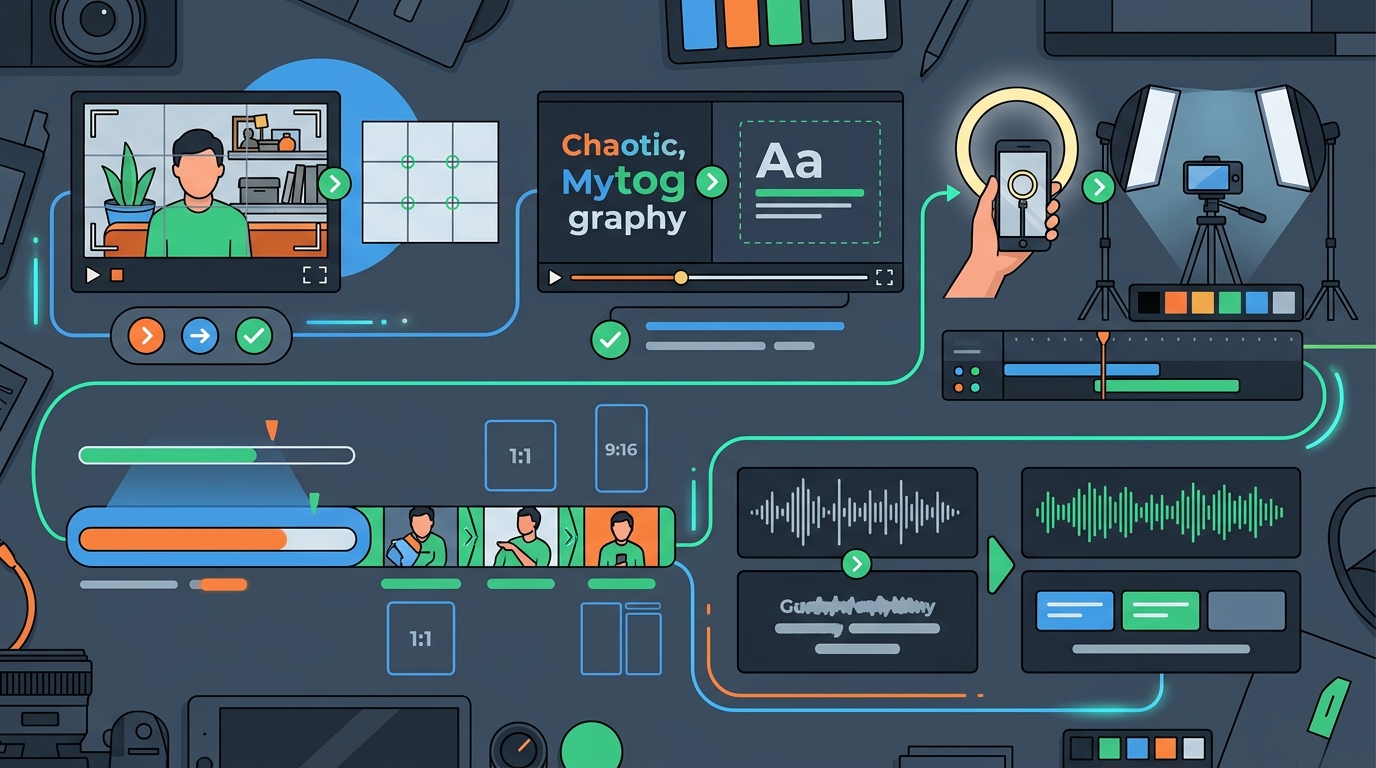
5. Using Static or Repetitive Visuals
Static images or long, unchanging shots can bore viewers, especially on platforms designed for dynamic content. Video is a visual medium, and keeping the viewer's eye moving is crucial for retention. According to Social Media Examiner, dynamic video content generates more shares and comments than static posts. Repetitive visuals fail to stimulate the viewer's brain, leading to disengagement.
Solution: Incorporate motion graphics, text animations, and varied camera angles. Use Promo's slideshow maker to transform static images into engaging video sequences. Add background music and sound effects to enhance the sensory experience and maintain viewer interest.
6. Using the Wrong Aspect Ratio
Aspect ratio errors are common but easily preventable. Posting landscape videos in a vertical feed (like Instagram Stories or TikTok) results in large black bars and a diminished viewing experience. Conversely, vertical videos on YouTube may appear too narrow on desktop screens. Reports confirm that mobile-first content performs better on social platforms, making vertical and square formats essential. Ignoring aspect ratio requirements reduces the visual impact of your message.
Solution: Always check the recommended aspect ratio for each platform before publishing. Use 9:16 for Stories and Reels, 1:1 or 4:5 for feed posts, and 16:9 for YouTube. Promo's video tools allow you to easily crop and resize your videos to fit these specifications without losing quality.
7. Lacking a Consistent Brand Identity
Inconsistent branding confuses audiences and weakens brand recognition. This includes varying color schemes, fonts, logos, and tones across different videos. Forbes highlights that consistent branding can increase revenue by up to 23%. When your videos look and sound different from one another, it becomes difficult for viewers to associate the content with your brand. Consistency builds trust and familiarity over time.
Solution: Develop a brand kit with specific colors, fonts, and logo placements. Use Promo's brand management features to save and apply your brand assets to every video automatically. This ensures that your content is instantly recognizable and maintains a professional appearance across all channels.
Comparison of Video Formats and Best Practices
| Platform | Recommended Aspect Ratio | Optimal Length | Key Focus |
|---|---|---|---|
| 9:16 (Stories/Reels), 1:1 (Feed) | 15-60 seconds | Visual appeal, trends | |
| 1:1 or 16:9 | 15-30 seconds | Engagement, community | |
| YouTube | 16:9 | 2+ minutes | Depth, SEO, value |
| 1:1 or 16:9 | 30-90 seconds | Professionalism, insights |
Key Takeaways
- Platform Specificity: Tailor your video format and content to the unique expectations of each social media platform.
- Audio Quality: Prioritize clear audio over high-resolution video, as poor sound is a primary cause of viewer drop-off.
- The Hook: Capture attention within the first three seconds using dynamic visuals or compelling statements.
- Clear CTA: Always include a specific call to action to guide viewer behavior and measure success.
- Visual Dynamics: Use motion graphics and varied shots to maintain viewer interest and prevent boredom.
- Aspect Ratio: Use vertical formats for mobile-first platforms and landscape for YouTube to maximize screen real estate.
- Brand Consistency: Maintain consistent branding elements to build recognition and trust with your audience.
Frequently Asked Questions
What is the most important element of a social media video?
The most important element is the hook. If you do not capture the viewer's attention in the first few seconds, they will scroll past, regardless of the video's quality or message.
How long should social media videos be?
Optimal length varies by platform. Instagram Reels and TikTok videos perform best between 15 and 60 seconds. YouTube videos can be longer, often exceeding two minutes, provided they deliver value. Industry data suggests that shorter videos generally have higher completion rates on social feeds.
Why is audio quality critical for video marketing?
Viewers are more tolerant of lower video resolution than poor audio. Bad audio can make content difficult to understand and unprofessional, leading to immediate disengagement. According to marketing studies, clear audio significantly boosts viewer retention and trust.
How can I ensure brand consistency in my videos?
Use a brand kit with specific colors, fonts, and logo placements. Tools like Promo's brand management allow you to save these assets and apply them automatically to every video, ensuring a cohesive look.
What is the best aspect ratio for Instagram Stories?
The best aspect ratio for Instagram Stories is 9:16 (vertical). This format fills the entire mobile screen, providing an immersive viewing experience. Research indicates that vertical content on Stories sees higher engagement than landscape content.
How do I create a strong call to action in a video?
Combine a verbal CTA with a visual overlay. For example, say "Click the link below" while displaying an arrow pointing to the link. Use Promo's ad maker to create professional CTA overlays that stand out.
What tools can help me fix video mistakes?
Tools like Promo's online video editor offer features for color correction, audio enhancement, and aspect ratio adjustment. These tools help you quickly fix common mistakes and produce high-quality content.
Start Creating Better Videos Today
Avoiding these common mistakes can significantly improve your social media video performance. By focusing on platform-specific strategies, high-quality production, and clear calls to action, you can engage your audience and drive results. Start creating professional videos with Promo.com today and transform your social media marketing strategy.